Wednesday, February 17, 2016

Causes of Dry Skin: Symptoms and Treatment
Causes of Dry Skin: Symptoms and Treatment


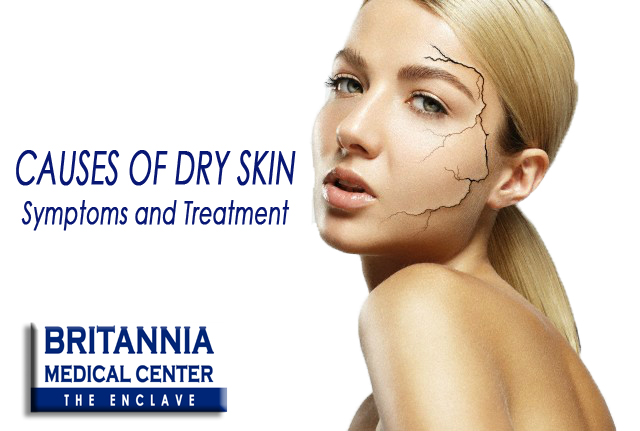
Most of us love winter as it is a time for festivals, picnics and lots of other outdoor activities. But it also marked with dry and rough weather, when most of us suffer from dry skin problems, cracking of heels, dry lips and so on. Dry skin makes your skin look dull and unhealthy. Because of the lack of moisture in the skin, you will suffer from itching and irritation of the skin. So, it is important that you keep your skin well moisturized throughout the day to prevent the skin from getting dry. This way you can keep your skin hydrated and in good condition.
There are many reasons that cause dry skin. It can be due to environmental reasons as well as hereditary conditions. So, first you have to diagnose what caused dry skin. Once you know the cause for dry skin, you can take measures to treat the skin and nourish it, so that it becomes healthy and well nourished.
 

Dry Skin Symptoms and Treatment:

There are many causes for dry skin. One thing to remember is that when you have dry skin, you must always keep your skin well moisturized. Some of the reasons for dry skin and treatment for it are:
Ageing:
With age, your skin becomes saggy and drier. You lose the elasticity of the skin and your skin starts to get mature. So, you have to start applying anti-ageing products on your skin. This helps in keeping your skin hydrated.
AC:
Air conditioner is another reason for your skin becoming dry. When you spent a few hours in an air-conditioned room and then come out, you feel dryness in your skin. The skin on your face seems to become stretched as well as itchy. So, if you spend long hours in air-conditioned rooms, apply a good nourishing cream on your skin. When there are cooling or heating devises in your room like air-conditioners, room heaters, fireplaces and coolers, the humidity in that room will be very low. As a result the moisture from your ski is absorbed by the surroundings and your skin becomes dry and itchy.
Excessive exposure to sun:
When your skin is exposed to sun for a long time, the sunrays penetrate deep in to the skin and dissolve the bonds of collagen and elastin. This makes the skin lose its firmness and also makes it dry. Wrinkling and sagging of the skin are other effects of exposure to sun. By applying a good sunscreen lotion you can prevent these problems.
Frequent showers:
If you have a habit of taking a shower frequently with hot or warm water, you skin starts getting dry. This is because the heat from the water takes away the moisture from the upper layer of your skin, which is responsible for retaining he moisture in the skin. Moreover, the soap that you use also makes your skin dry. As a result, you will suffer from dry and itchy skin.
Improper intake of water:
You do not feel very thirsty in winter ad so you do not drink too much of water. This can make yourskin dry and dehydrated.
Low levels of moisture in the surroundings:
Most common reason for dry skin is the environmental changes. When there is less humidity in the surroundings, your skin tends to become dry. So, if your body is exposed to extreme temperatures or less humid environment, your skin becomes dry. Low temperature and low humidity are the two main reasons for your skin to become dry as well as itchy. In desert regions, the temperature is high but there is very little humidity in the surroundings. Such a condition makes your skin even worse. You can prevent dry skin under such conditions by installing humidifiers in your house.
Low secretion of thyroid hormones:
When there is a decrease in the secretion of thyroid hormones, you may suffer from dry skin. This is because low secretion of these hormones decreases the activities of oil and perspiration glands and thus leads to a dry skin.
Soaps:
Commercial soaps, especially the antibacterial soaps, are harsh on our skin and make the skin dry. The chemicals present in soaps remove all moisture from the skin, leaving your body dry and itchy. So, it is better to use body wash instead of using soap to clean your body. It is a good idea to apply oil on your skin before you take bath. This will keep your skin hydrated and prevents dryness. After you use a mild soap or a face wash, you must always apply a moisturizer on your skin.
Symptom of diabetes:
Dry skin can be an early symptom of diabetes. People suffering from this disease tend to have dry hands and feet. So if you have such a symptom, you must check your sugar level and see whether you are suffering from this disease.
Swimming for long hours:
Swimming for hours in the swimming pool can have adverse affects on your skin and your hair.  When you swim for a long time in the pool, the outer layer of epidermis, which plays an important role in retaining the moisture, is depleted. The chlorine present in water breaks the lipid barriers in the skin and thus makes your skin harsh and arid. So you have to apply a good quality nourishing cream before you step into the swimming pool. This way you can protect your skin from various skin problems caused by chlorine present in the water and keep your skin hydrated and healthy.
Shampoos and conditioners:
The skin of the scalp is very delicate and vulnerable and it dries faster than the skin on any other part of your body. So, when you use harsh shampoos and conditioners that contain lots of chemicals in them, your hair and scalp become dry. Use shampoos and conditioners that are made for dry scalp and thus prevent dry scalp. You can also use herbal and homemade shampoos and conditioners as they do not contain chemicals and suit all types of scalp.

For more information make an appointment by calling 0925-567-5329 • 0908-865-5662 • 0917-566-1932 • 458-0717 and schedule a consultation today.


Visit us at BRITANNIA MEDICAL CENTER - The Enclave

SENIOR DENTAL TIPS

SENIOR DENTAL TIPS


It’s not uncommon to face newSenior Dental Care Checklist health challenges as you age, and oral health is no exception. The good news is that keeping your teeth and gums looking and feeling their best long into your golden years is possible with proper care and attention.
 
The following senior dental care habits aren’t difficult and can help preserve your healthy smile for a lifetime. 


         Easy Tips for Improved Senior Dental Care

 
• Maintain regular visits with your dentist.
Don’t put off visits to the dentist until you experience pain or discomfort. Instead, scheduling appointments for regular checkups every six months is one of the best ways to keep your teeth healthy as you age. A routine exam can save you from a number of dental problems, excruciating pain, and costly procedures down the road. Always inform your dentist about your current health status and medications so that he/she can provide optimal service and treatment. 
 
• Modify your oral hygiene habits.
The importance of proper oral hygiene doesn’t diminish over time. Older adults should continue to brush twice a day with fluoride toothpaste and floss daily to prevent the development of cavities and gum disease. Unfortunately, many seniors experience dexterity problems due to arthritis or other conditions, which make proper brushing and flossing difficult. To make oral hygiene easier when mobility is limited, seniors should consider attaching their toothbrush to a larger object such as a ball, or purchasing an electric toothbrush in place of a manual. Simple modifications can improve mobility and make cleaning your mouth easier and more comfortable. 
 
• Replace missing teeth.
Tooth loss can lead to far more serious consequences than an altered appearance and poor self-esteem. In fact, missing teeth can cause many issues, including difficulty chewing and speaking; shifting of adjacent teeth; jaw pain; and increased risk of decay and gum disease. For these reasons, seniors should have missing teeth replaced as soon as possible to restore optimal function and health. Today, dentists can provide a variety of natural looking solutions to remedy tooth loss, including dental implants, bridges and dentures.
 
• Commit to a healthy lifestyle.
Finally, making positive lifestyle choices can go a long way to improve overall health as you age. This may include giving up bad habits that contribute to oral health problems, such as smoking, and eating a balanced, nutrient-rich diet to promote a healthy mouth and body.


Reasons to Visit Your Dentist and Orthodontist

 
Seniors face an increased risk for oral health problems. For this reason, it is important that you notify your dentist of any unusual symptoms right away to prevent serious complications and further damage. Common problems to watch for include:Take Care of Your Healthy Smile
 
• Chronic dry mouth
• Cavities and decay
• Discolored teeth
• Oral cancer
• Red, swollen and tender gums
• Tooth sensitivity and pain
 
Successful management of teeth and gums can help seniors avoid a number of health issues, while also increasing quality of life.


For more information make an appointment by calling 0925-567-5329 • 0908-865-5662 • 0917-566-1932 • 458-0717 and schedule a consultation today.


Visit us at BRITANNIA MEDICAL CENTER - The Enclave


Monday, February 15, 2016

Are You Sick or Just Thirsty? The Dangers of Dehydration

Are You Sick or Just Thirsty? The Dangers of Dehydration


Feeling tired or distracted by a nagging headache? You might need to drink more water.  Our bodies are made up of approximately 70% water and that level is needed for essential functions like transporting nutrients, balancing metabolism and  flushing toxins out of vital organs.
Dehydration occurs when our bodies lose more fluids than we take in and can be caused by:
  • Not drinking enough water
  • Losing fluids through vomiting and diarrhea
  • Medical conditions such as diabetes
  • Extreme heat exposure
  • Fever
  • Weight loss
Many people are chronically dehydrated and don’t realize it. Dehydration can weaken the immune system and in severe cases can be fatal. Chronic dehydration often results in symptoms that are mistaken for other medical conditions such as migraine headaches, colitis, constipation, asthma and joint pain.
Symptoms of Dehydration
  • Dark colored urine or low urine output
  • Shortness of breath
  • Low blood pressure
  • Fatigue, weakness or dizziness
  • Loss of energy and inability to concentrate
  • Confusion
  • Heart palpitations
  • Inability to sweat or produce tears
  • Headaches
How much water is enough?
A healthy person should drink at least eight 8-ounce glasses of water every day, and increase that amount during hot weather, illness or while exercising. It’s better to drink small amounts of water at a time rather then ingesting large amounts all at once.
4 Tips for Staying Hydrated
  • Drink a glass of water with meals and between each meal
  • Drink plenty of water before and after exercising
  • Drink equal amounts of water for every dehydrating drink consumed like coffee, soda and alcohol
  • Keep a reusable water bottle in your car, purse or desk to help remind you to sip water throughout the day
Drinking plenty of water every day is essential to good health. In addition to boosting our immune systems, staying hydrated can help with weight loss since proper hydration makes our stomach feel full faster and we’re less likely to mistake thirst for hunger. Keeping our bodies hydrated is also preventative medicine for more serious diseases like colon and bladder cancers.

For more information make an appointment by calling 0925-567-5329 • 0908-865-5662 • 0917-566-1932 • 458-0717 and schedule a consultation today.


Visit us at BRITANNIA MEDICAL CENTER - The Enclave


Friday, February 5, 2016

HPV Vaccine: Boys Need It, Too

HPV Vaccine: Boys Need It, Too


The vaccine protects children against HPV, a disease that can cause serious health problems (cancer and genital warts) later in life. Currently, only 14% of boys and 38% of girls have received the HPV vaccine.
In the past, the HPV vaccine has been seen as a vaccine for girls, even though boys benefit from the vaccine too.
As the rate of HPV-related oral cancer in men rises, there’s been more emphasis on getting boys vaccinated.
As a parent, you might wonder how the HPV vaccine can benefit your child. Read on for answers to common questions about HPV and the HPV vaccine.
 

Why do public health officials want more children to be vaccinated?

Each year 17,000 women and 9,000 men are affected by HPV-related cancers. Many of these cancers could be prevented with HPV vaccination.

What is HPV?

The human papillomavirus (HPV) is the most common sexually transmitted disease (STD) in the U.S. You can get HPV by having vaginal, anal, or oral sex with someone who has the virus. A person can spread HPV even if he or she has no signs or symptoms.
There are many types of HPV. Almost all sexually active people will get HPV at some point in their lives, though most will never know it. The body usually gets rid of HPV on its own; however, sometimes the virus stays in the body and causes serious health problems, including:
  • Cervical cancer
  • Vulvar cancer
  • Vaginal cancer
  • Penile cancer (cancer of the penis)
  • Anal cancer
  • Head and neck cancer (oropharyngeal cancer)
  • Genital warts

What is the HPV vaccine?

The HPV vaccine protects your children against the types of HPV that cause the health problems mentioned above. Right now, there are two kinds of HPV vaccine: 
Cervarix is only approved for use in girls and women and is designed to prevent infection from HPV types 16 and 18. These types of HPV are most commonly responsible for causing 70% of all cervical cancers in the U.S., as well as most head and neck cancers.
Gardasil is the only HPV vaccine approved for use in both boys and girls. It is designed to prevent infection from HPV types 6, 11, 16, and 18. In addition to preventing cervical, head and neck cancers, it prevents vulvar and vaginal cancers in woman and genital warts in both men and women.
Both vaccines are given in a series of 3 shots over 6 months.
The vaccine is most effective if all 3 shots are administered. To remember to give your child all 3 shots, make an appointment for the 2nd and 3rd shot before you leave the doctor’s office after the 1st shot.
Gardasil helps prevent boys from getting HPV-related genital warts and cancers of the mouth/throat and penis.

When should my child be vaccinated?

The Centers for Disease Control and Prevention (CDC) recommend that preteen girls and boys receive the HPV vaccination at age 11 or 12 years. The HPV vaccine is also recommended for boys age 13 through 21 years who have not yet been vaccinated.

Why does my child need the HPV vaccine now?

HPV vaccines offer the best protection to girls and boys who receive all three vaccine doses and have time to develop an immune response before they begin sexual activity with another person.
This is not to say that your preteen is ready to have sex. In fact, it’s just the opposite—it’s important to get your child protected before you or your child have to think about this issue. The immune response to this vaccine is better in preteens, and this could mean better protection for your child.

For more information make an appointment by calling 0925-567-5329 • 0908-865-5662 • 0917-566-1932 • 458-0717 and schedule a consultation today.


Visit us at BRITANNIA MEDICAL CENTER - The Enclave

Wednesday, February 3, 2016

Beyond Baby Blues: Battling Postpartum Depression

Beyond Baby Blues: Battling Postpartum Depression


Postpartum Depression


For many people, the birth of a baby is a time of joy and excitement. But for some women, those feelings may be accompanied by anxiety, sadness and, in some cases, depression.
Many women — anywhere from 40 to 80 percent — experience postpartum blues, or “baby blues,” after delivering a baby. But some women — 8 to 15 percent — experience more severe, persistent symptoms leading to a diagnosis of postpartum depression, she said.
But one of the most important developments in the last few decades for new moms is the increased body of knowledge about postpartum depression: What causes it, how to recognize it, and why women and their partners need to seek help for it because there is help.
A woman experiencing postpartum blues will have mild symptoms that appear within the first couple of days after delivery and last a couple of weeks. Those symptoms include increased crying, feeling overwhelmed, sadness, irritability and mild anxiety.
There’s no single cause or reason. Instead, doctors have determined that sharply dropping estrogen and progesterone — estrogen drops 2,000 percent within 24 hours of giving birth — along with other hormones, combined with fatigue and loss of freedom, old identity and pre-pregnancy shape all contribute to postpartum depression. That lifestyle factors can play a role, too, especially if a new mother does not have a solid support system around her or has trouble breastfeeding.
New research is also helping to shed light on postpartum depression, with one study published in 2013 in Molecular Psychiatry that points to two genes as possible triggers:
1) The first step in fighting postpartum is distinguishing it from “normal” baby blues. Signs and symptoms of baby blues include:
  • Crying for no clear reason
  • Trouble sleeping, eating and making decisions
  • Feelings of doubt about caring for the baby
2) Signs and symptoms of postpartum depression include:
  • Baby blues that persist or get worse after a week
  • Anger or strong feelings of depression one to two months after childbirth
  • Feeling so helpless, sad or guilty that you can’t function normally
  • Being unable to take care of yourself or the baby
  • Changes in appetite
  • No interest in things that used to make you happy
  • Major concern or worry about the baby, or fears of harming the baby
  • Anxiety or panic attacks
If you fall into the baby blues category, you can do the following things to help prevent baby blues from turning into depression:
  • Rest. It may sound impossible with a new baby, but aim to put yourself on the baby’s sleep schedule and nap when she naps
  • Lean on family members and friends for help
  • Take a shower, get dressed, and get out of the house – once the doc says it’s okay, put the baby in that fancy stroller and walk to Starbucks – whatever it takes to care of yourself
  • There is new evidence to suggest that eating plenty of protein (protein enables the production and regulation of hormones) and staying hydrated can also improve symptoms
  • Talk, talk, talk to your partner and friends.
If you fall into the latter category of postpartum depression, schedule a visit with your doctor right away. He or she may prescribe you medication or may refer you to a licensed counselor to help handle the postpartum depression. Support groups are offered around the country, and help lines are readily available if symptoms elevate and your support network is unreachable.
They key to battling postpartum, whether it be short-term baby blues or a more protracted depression, is to know how to recognize the signs and symptoms and understand that help is at your fingertips — you just need to now take a step forward to ask for it.

For more information make an appointment by calling 0925-567-5329 • 0908-865-5662 • 0917-566-1932 • 458-0717 and schedule a consultation today.


Visit us at BRITANNIA MEDICAL CENTER - The Enclave


Monday, February 1, 2016

5 Common Toothbrushing Mistakes

5 Common Toothbrushing Mistakes


Brushing your teeth is one major way to prevent cavities and keep those pearly whites looking beautiful. However, many of you might not be brushing your teeth properly. You may be surprised to learn you are making mistakes when brushing your teeth. Your oral health may be compromised if you are committing one of the following five toothbrushing mistakes.


Flossing after brushing:


Everyone should floss at least once per day. But if you’re flossing before you brush, you’re leaving stuff behind that could cause cavities. Even though flossing removes food and plaque that’s stuck between the teeth, it still might be hanging around in your mouth. Following two minutes of brushing with a good floss is the solution for a truly clean smile.


Brushing in straight lines:


Brushing in straight lines is great for some parts of your teeth, but not all. For the outer surfaces of your teeth, you should be brushing in circles in order to get the best scrub possible. For the inner surfaces of your teeth, brush in up and down motions. Finally, for the tops of your big back teeth, straight lines are the way to go.


Not brushing long enough:

You should brush at least two times per day, but after every meal is best. And each time you brush, you should do it for two minutes. Get a timer, and set it on your bathroom counter. It’ll help you make sure you’re sticking to the two-minute rule every time.


Using an old brush:


Toothbrushes need to be replaced about every 3 months. If the bristles of a toothbrush are bent, then it’s past time for a new brush. Why does it matter? Bent bristles just can’t clean the teeth as well as straight bristles. It’s as simple as that.


Using the wrong toothpaste: First things first, make sure you’re using a fluoride toothpaste. It strengthens the teeth and prevents cavities. Second, if you’re buying toothpaste for kiddos, get something fruity-flavored. Kids usually don’t like minty flavors, and might put up a fight if you ask them to brush with a toothpaste they think tastes yucky. Finally, if you have sensitive teeth, get a toothpaste with potassium nitrate. It’s proven to help with tooth sensitivity, and can make it easier to eat hot or cold foods.


If you’re guilty of one or more of these toothbrushing mistakes, you’re not alone. The good news is that now you know how to brush like a pro, and that’s going to go a long way in helping you have a healthier, happier smile.


For more information make an appointment by calling 0925-567-5329 • 0908-865-5662 • 0917-566-1932 • 458-0717 and schedule a consultation today.


Visit us at BRITANNIA MEDICAL CENTER - The Enclave